

How to care for your pet’s teeth at home: simple dental tips that work
KEY TAKEAWAYS
Simple, consistent at-home habits like brushing, dental chews, and regular checkups can help reduce buildup and support long-term dental health.
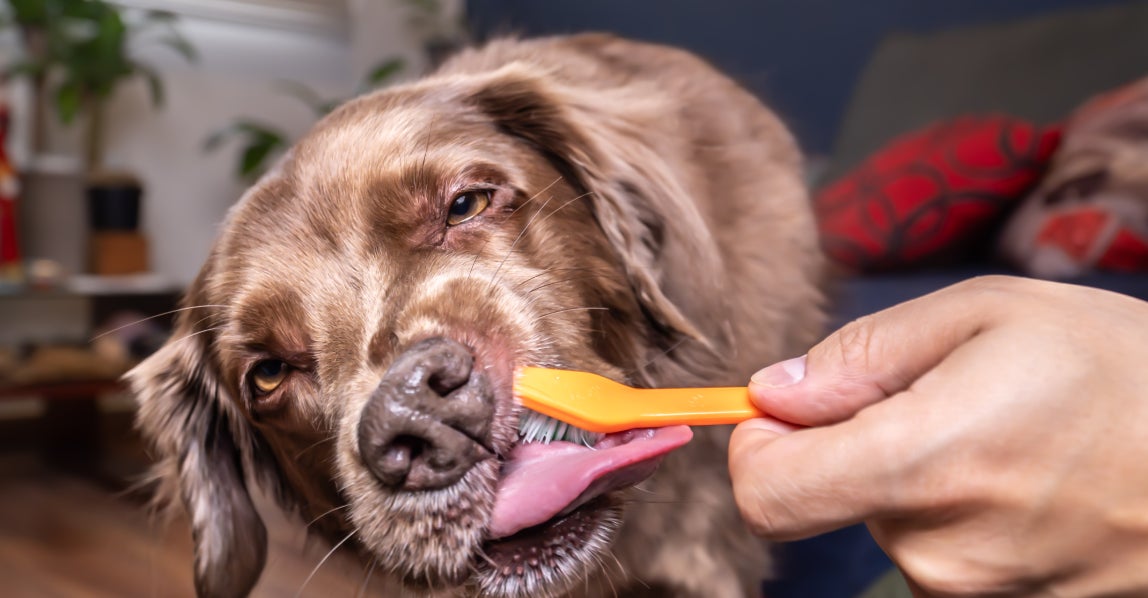
How to handle pet dental care at home
Taking care of your pet’s teeth at home doesn’t have to be complicated. Most pet parents are looking for something simple that fits into their routine — and the good news is, small, consistent habits can go a long way.
Dog dental care and cat dental care both come down to the same idea: reducing buildup before it turns into bigger problems. At-home care helps support your pet’s dental health, but it works best alongside regular checkups and professional cleanings with a veterinarian.
How to brush your pet’s teeth
Brushing is one of the most effective ways to support your pet’s dental health. It might feel like a big step at first, but it gets easier with a little consistency.
How to get started without stressing your pet
Start small. Let your pet get used to having their mouth touched, then introduce pet-safe toothpaste. Short, positive sessions — just a few seconds each — can help build comfort over time.
Focus on the outer surfaces of the teeth, and don’t worry about getting everything perfect right away. What matters most is building the habit.
How often should you brush your pet’s teeth?
Daily brushing is ideal, but even a few times a week can make a difference. If you’re just getting started, consistency matters more than frequency.
The easiest ways to care for your dog or cat’s teeth without brushing
If your pet has bad breath, red gums, or is eating differently, it’s normal to wonder: is this something you can manage at home, or do they need professional cleaning?
The honest answer is: Both techniques can help, but each serves different purposes.
At-home care supports dental health, but once disease moves below the gumline, professional dental care is required to treat it. That’s because the real issue isn’t just what you can see — it’s what’s happening under the surface.
Treatment focuses on removing infection, relieving discomfort, and helping your pet get back to eating and feeling like themselves.
Do dental treats, chews, or water additives actually help?
Dental chews, treats, and water additives can help reduce plaque and freshen breath, especially when used regularly. They’re a helpful addition to an existing routine, but they don’t fully replace brushing.
What to expect from at-home options for dog and cat dental care
Think of these options as support, not a complete solution. If you’re using them consistently but still noticing bad breath or buildup, it may be time for your vet to take a closer look.
If that’s the case, you can learn more about what bad breath and buildup might mean and when to take the next step.
How diet affects your pet’s dental health
What your pet eats can play a role in their dental health, but it’s just one piece of the puzzle.
Dry food and dental-specific diets may help reduce buildup slightly by encouraging chewing, while softer foods may stick to teeth more easily. That said, your pet’s diet alone won’t prevent dental disease.
Think of their diet as part of a broader oral health routine, not a replacement for regular dental care.
Ideal dental checkup cadence
Even with strong at-home habits, pets still need regular dental checkups. Plaque and tartar can form below the gumline or in areas that are hard to reach at home. Regular checkups help catch small issues early before they become more uncomfortable or harder to treat.
A veterinarian can assess your pet’s teeth and let you know if a professional cleaning or additional care is needed. You can learn more about our dental care services and what to expect during a visit.
What to do if your pet still has bad breath or buildup
If you’re staying consistent with at-home care but still noticing bad breath, visible buildup, or changes in eating habits, it may be a sign that more support is needed.
Can you clean tartar off your dog’s or cat’s teeth at home?
Tartar is hardened buildup that can’t safely be removed at home. Trying to scrape it off yourself can cause discomfort for your pet or damage to your pet’s teeth.
If tartar is present, a professional dental cleaning is usually the safest and most effective next step.
If something doesn’t feel right, you can schedule an appointment at a Lovet hospital. We offer same-day appointments for concerns that need attention, so you can get clear answers and next steps quickly.
Pet dental care FAQs
How often should I brush my dog’s or cat’s teeth?
Daily brushing is best, but even a few times a week can help reduce buildup. Consistency matters more than perfection, especially when you’re building a new routine.
What can I use if my pet won’t let me brush their teeth?
Dental chews, treats, water additives, and dental toys can help support your pet’s dental health. While they don’t replace brushing, they’re a good alternative if brushing isn’t possible.
Do dental treats actually work for pets?
They can help reduce plaque and freshen breath when used regularly. They’re most effective when combined with other forms of dental care, like brushing or routine checkups.
Can I improve my pet’s bad breath at home?
Mild bad breath may improve with regular dental care at home. But if the smell is strong or doesn’t go away, it could be a sign of dental disease. In that case, it’s best to have a veterinarian take a closer look.
If you’re looking for more support or want help building a dental care routine that works for you and your pet, you can find a Lovet location near you when you’re ready.
DISCLAIMER: Not intended to be a substitute for professional veterinarian advice, diagnosis, or treatment. Always seek the advice of your veterinarian with any questions you may have regarding the medical condition of your pet. If you think your pet has a medical emergency, call or visit your veterinarian or your local veterinary emergency hospital immediately.